Moving to The Netherlands: A Timeline for Families (From Visa to Huisarts)
Thinking about moving to the Netherlands? Great choice. But as you probably know, there is much more to this country than just Amsterdam.
Welcome to Netherlands Month at Reloplanner. Over the next four weeks, I'm dedicating every piece of content to helping families navigate the Dutch relocation maze. I'm not just talking about forms; I'm talking about building a life here.
Today, I start with the foundation. Moving a family isn't just about booking a flight; it's a sequence of dominoes.
Here is your chronological roadmap to getting your foot in the door—and keeping it there.
Phase 1: Getting In (The Legal Path)
Before you look at houses, you need the legal right to reside here. For EU citizens, this is automatic (with the relevant documentation). For everyone else, you generally need one of these three paths:
1. The Highly Skilled Migrant Visa (Kennismigrant)
- Who it's for: Employees hired by a Dutch company.
- The reality: This is the most common path for families. Your employer must be a recognized sponsor. They handle the paperwork, and your partner and children get residence permits tied to yours.
- 2026 Update: To qualify, you generally need a gross monthly salary of at least €5,942 (if over 30) or €4,357 (if under 30).
2. The DAFT Visa (Dutch-American Friendship Treaty)
- Who it's for: US Citizens who are entrepreneurs or freelancers.
- The reality: If you want to be your own boss, this is your best option. You don't need a Dutch employer; you essentially "sponsor" yourself by investing ~€4,500 into your own Dutch business entity. It's a fantastic route for freelance creatives or consultants.
3. The ICT Visa (Intra-Corporate Transferee)
- Who it's for: Employees being transferred within the same company (e.g., from the New York office to the Rotterdam HQ).
- The reality: It sounds like the Highly Skilled path, but it has slightly different rules regarding how long you can stay and how your years count toward permanent residency later.
Phase 2: Money Matters (The 30% Ruling)
Once the visa is in motion, you need to talk about your net income. The 30% Ruling is a tax break designed to cover the "extraterritorial costs" of moving (like travel or furnishing a new home).
- The Benefit: Your employer can pay 30% of your gross salary tax-free for 5 years.
- The Status (Jan 2026): After much political debate, the benefit remains at a flat 30% for 2026 (provided you meet the salary cap).
- The Math (Simplified Example):
Let's say you earn €60,000 gross per year.- Without ruling: You pay tax on the full €60,000.
- With ruling: You pay tax on €42,000. The remaining €18,000 is paid to you tax-free.
- Result: This can mean an extra €600–€900 in your pocket every single month.
Do you qualify for the 30% Ruling? Check the eligibility cheat sheet at the end of this article.
Crucial Note: You and your employer should apply for this before you arrive to ensure it applies from Day 1.
Phase 3: The Landing (Housing & The BSN)
You've arrived! Now you hit the famous Dutch "Catch-22."
- To get a BSN (Citizen Service Number), you need a registered address.
- To rent a long-term apartment, landlords often ask for a BSN.
The Solution:
- Book "Registration-Possible" Temporary Housing: Not all Airbnbs allow you to register. You need a short-stay provider that explicitly allows registration.
- The BSN Appointment: Book this at the municipality (Gemeente) weeks before you fly. Without a BSN, you do not exist in the system—you can't even get home internet installed.
Phase 4: Settling In (Banking, DigiD, & Health)
With your BSN in hand, the final doors open:
- Banking: Traditional banks (ABN AMRO, ING) require a BSN and an in-person appointment. Tip: Online banks like Bunq often allow you to start with just your Tax ID, which is faster.
- DigiD: This is your digital ID for the government. Download the app immediately. You will need it for everything from filing taxes to checking your child's school records.
- The Family Doctor (Huisarts): In the Netherlands, you cannot go straight to a specialist; you must go through a GP.
- The challenge: Many practices are full.
- The fix: As soon as you have an address, call every doctor within biking distance to get on a waiting list. Do not wait until someone gets sick.
Official Resources (Bookmark These)
- IND (Immigration Service): ind.nl/en – The final word on Visa requirements.
- Belastingdienst (Tax Office): belastingdienst.nl – Details on the 30% ruling conditions.
- Reloplanner: Reloplanner.com – Personalize your relocation info based on your family and preferences.
Coming Next: The 7-City Showdown
Now that the paperwork is clearer and the timeline is set, the real question remains: Which city suits our family the most?
Next week, I leave the bureaucracy behind and dive into the 7-City Showdown. I'll be comparing the data on the country's known and unknown cities to see which one fits your family's lifestyle:
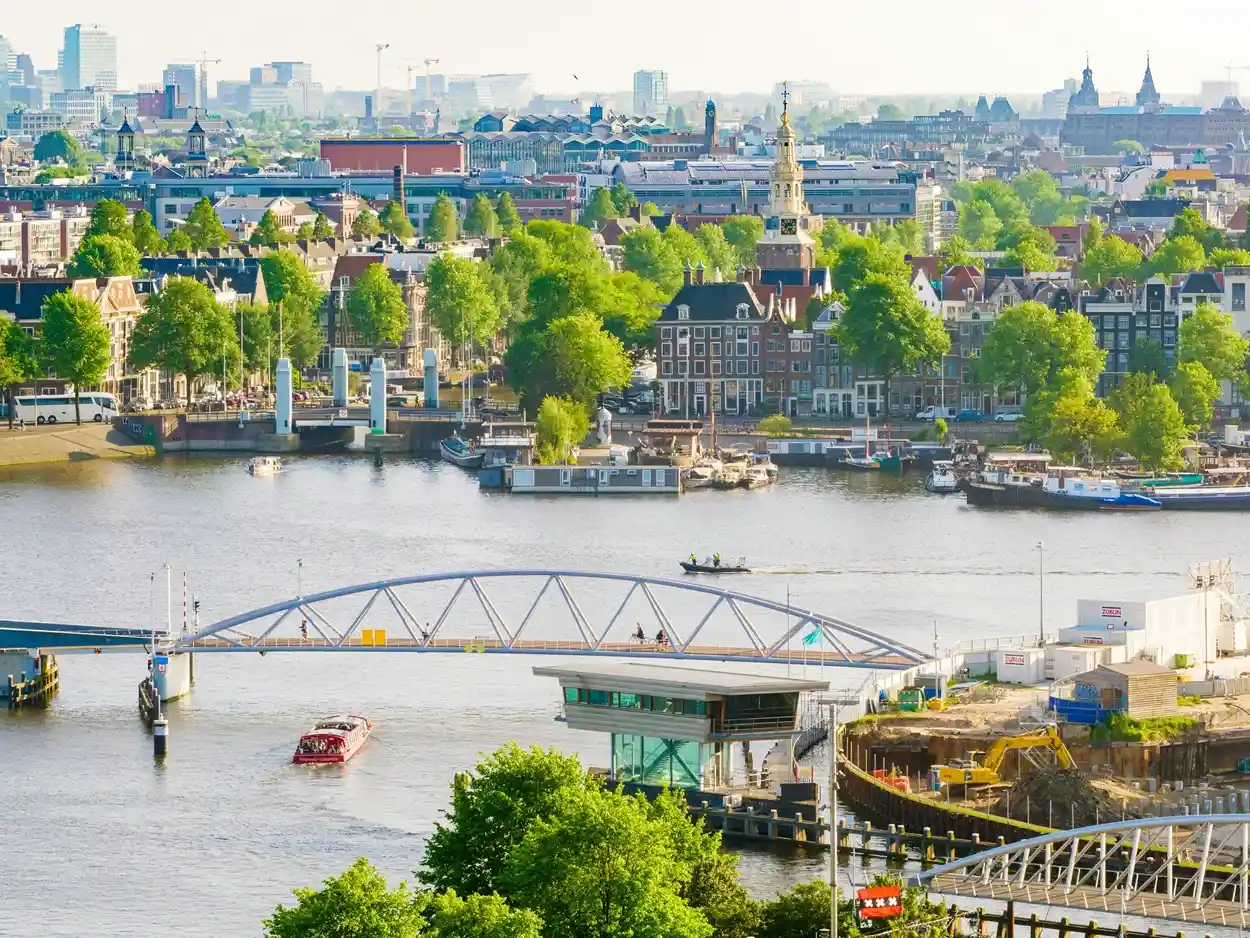
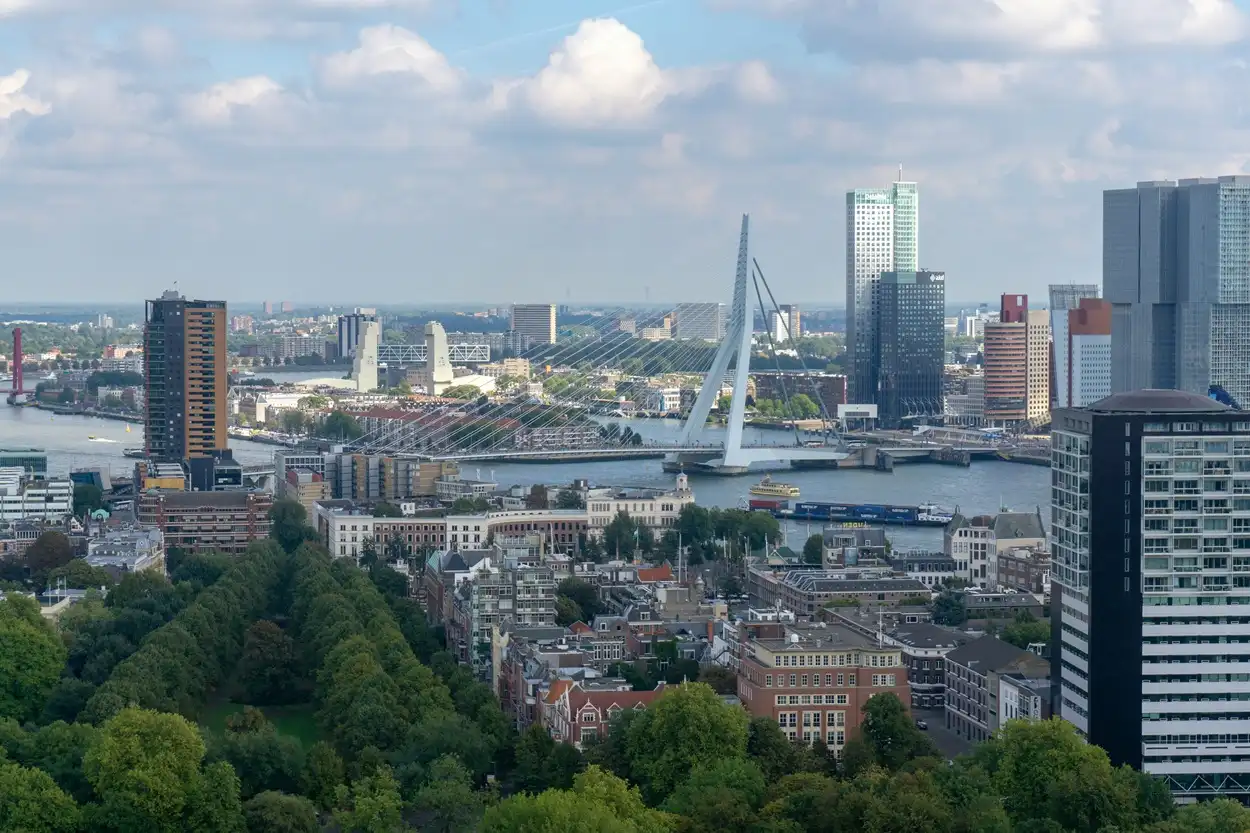
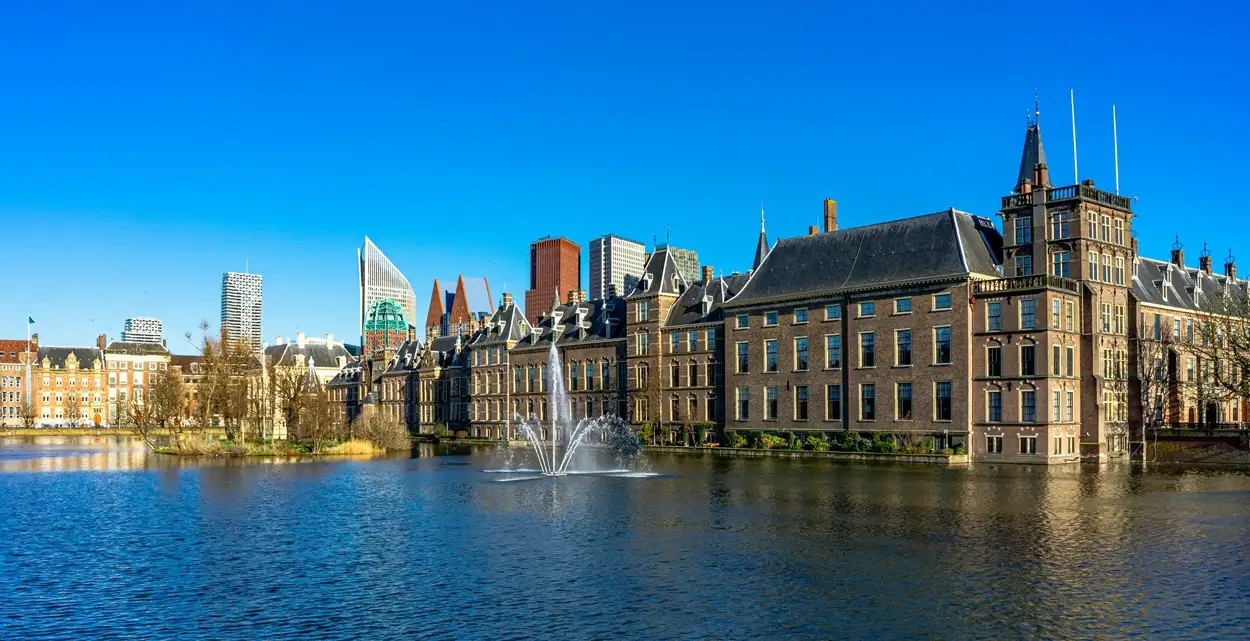
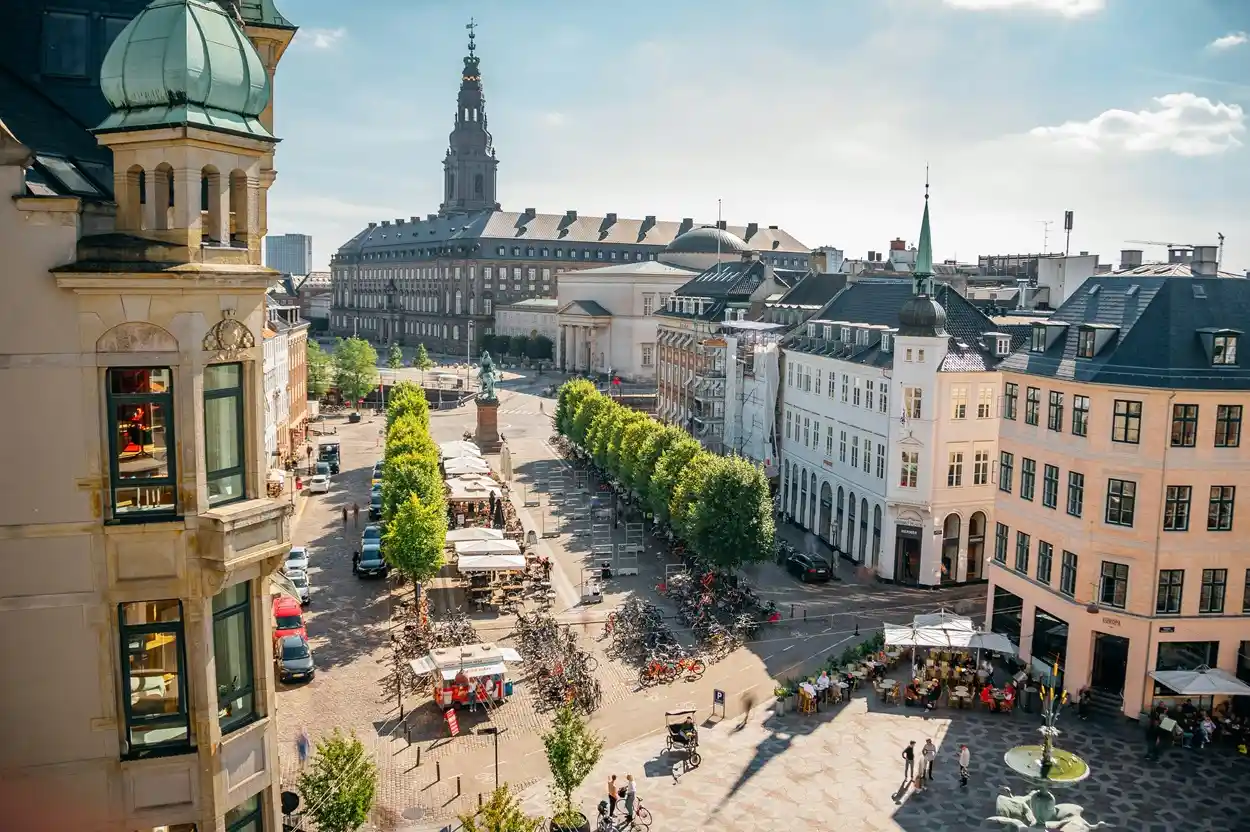
- Amsterdam: The cultural capital (but watch out for waitlists).
- Rotterdam: The gritty, modern architecture rival.
- The Hague: The diplomatic center with top international schools.
- Utrecht: The 'cozy alternative'—historic and incredibly family-friendly.
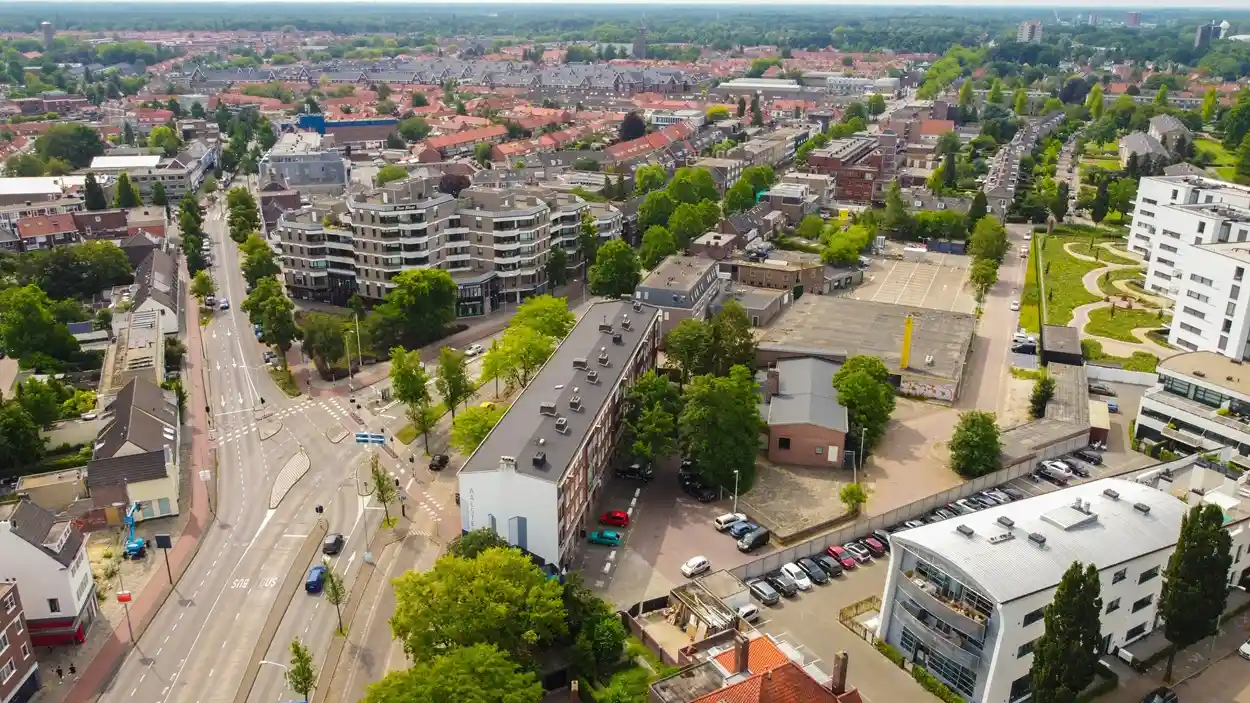
- Eindhoven: The 'Brainport' tech hub where innovation meets affordability.
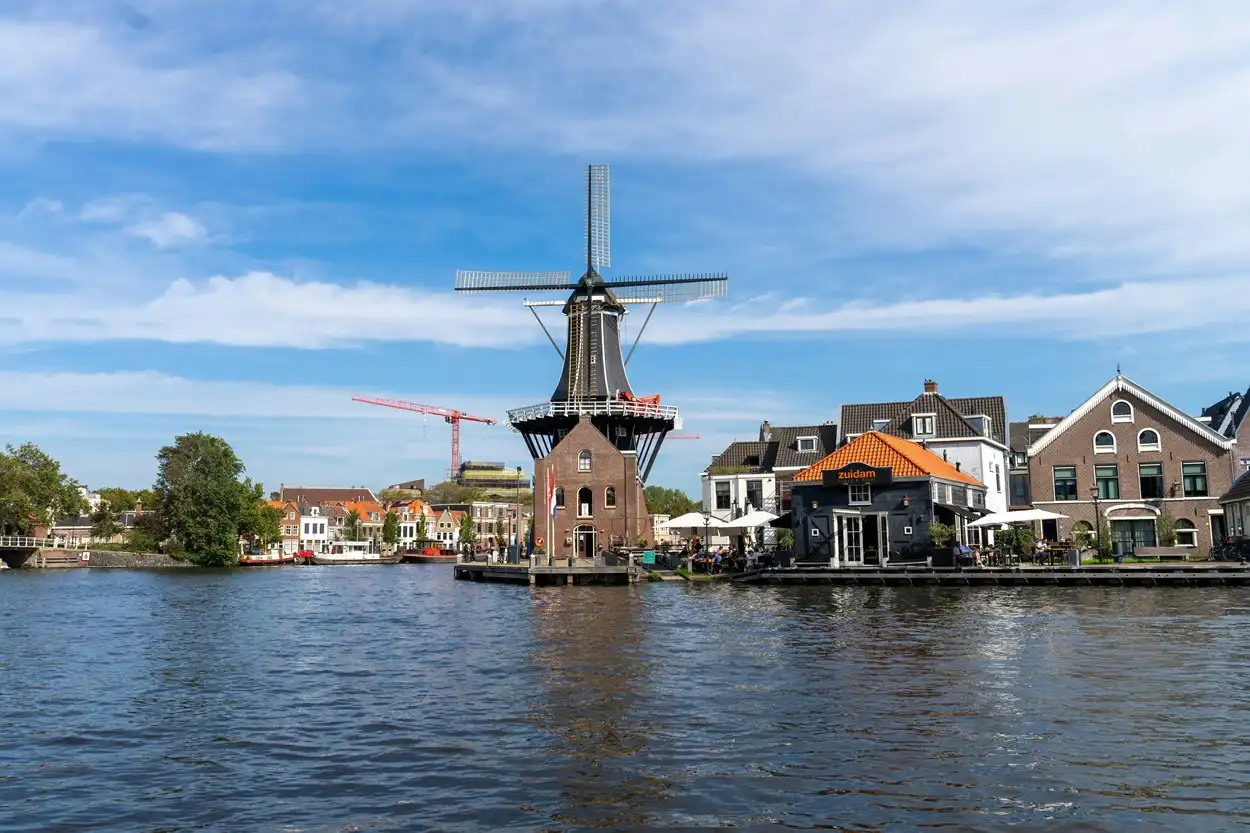
- Haarlem: The village-feel neighbor, just 15 mins from the capital.
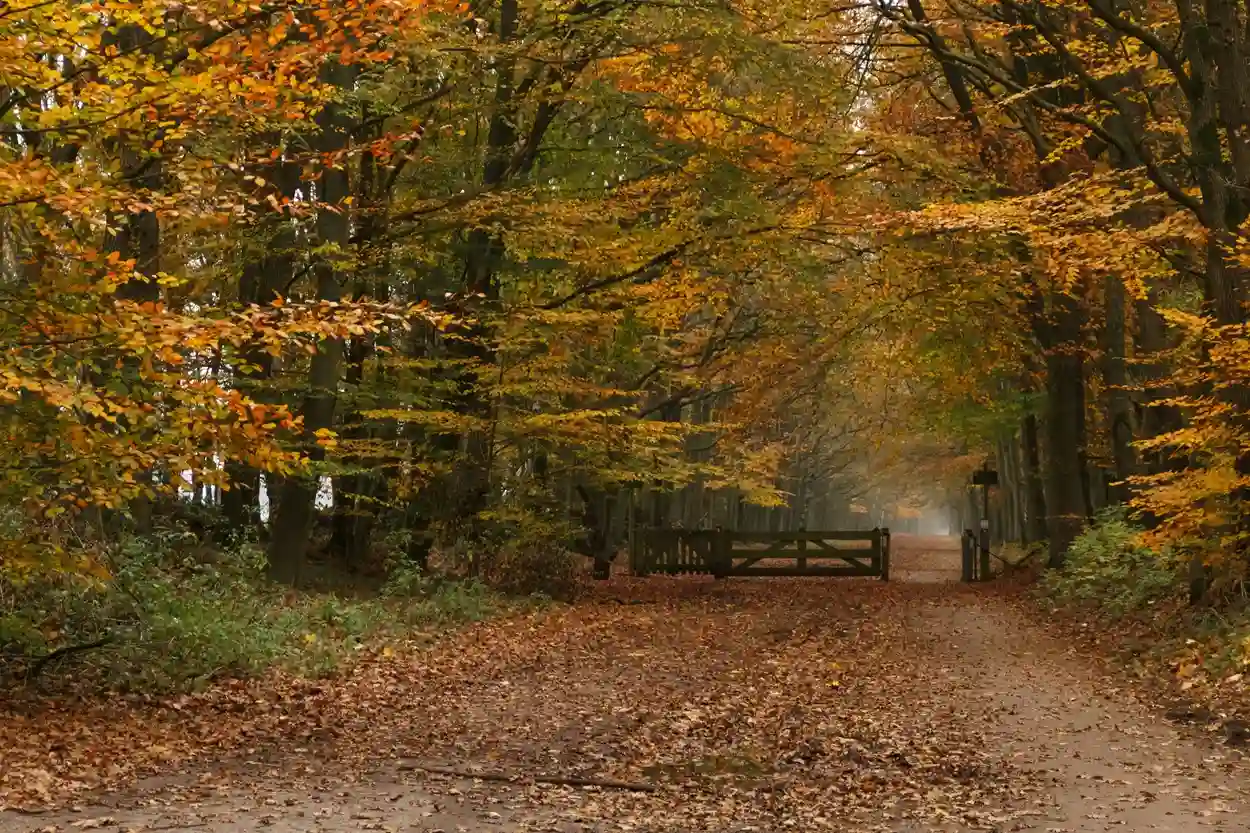
- Bussum: The green garden-city offering a balanced, refined lifestyle.
Appendix: 30% Ruling Eligibility Cheat Sheet
Frequently Asked Questions
What salary do I need for the Dutch Highly Skilled Migrant visa?
As of 2026, you need a gross monthly salary of at least €5,942 (over 30) or €4,357 (under 30). Your employer must be a recognized sponsor with the IND.
How does the Netherlands 30% ruling work?
The 30% ruling lets your employer pay 30% of your gross salary tax-free for 5 years. On a €60,000 salary, this can mean an extra €600–€900 per month in your pocket.
What is the BSN and why do I need it before arriving?
The BSN (Citizen Service Number) is required for everything in the Netherlands — banking, insurance, internet, school enrollment. You need a registered address to get one, so book registration-possible temporary housing before you fly.
How do I find a family doctor (huisarts) in the Netherlands?
Many GP practices are full. As soon as you have an address, call every doctor within biking distance to get on a waiting list. Do not wait until someone gets sick.